Forum
- Subforum
- System Solve - Notes
Jumping Stilts: The Complete Guide to Extreme Urban Jumping
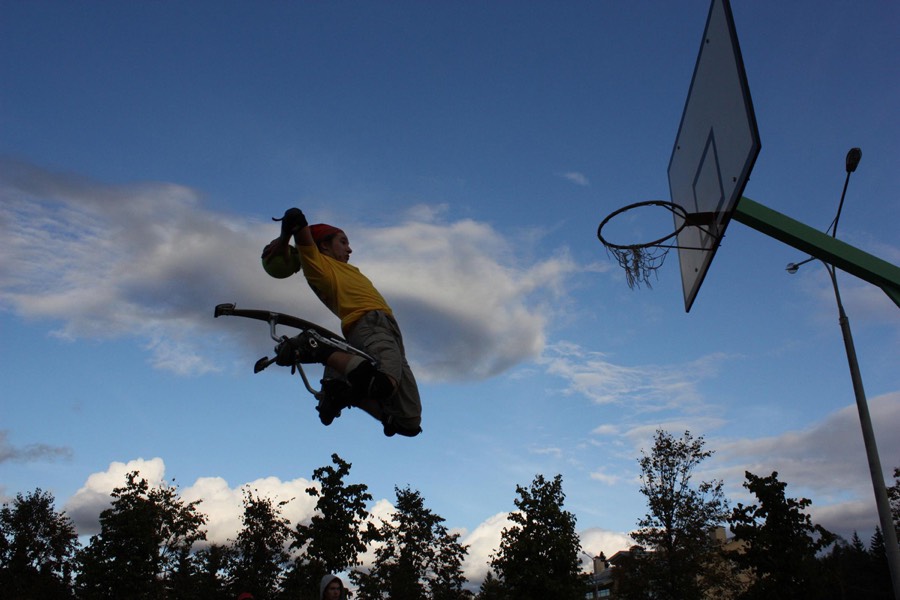
Jumping Stilts are one of the most exciting and visually impressive urban sports devices to appear in recent years. Combining elements of running, parkour, gymnastics, and extreme sports, these spring-loaded stilts let users run faster, jump higher, and perform eye-catching tricks that are impossible with the naked human body.
In this comprehensive guide, you’ll learn what jumping stilts are, how they work, what to consider before buying a pair, the benefits and risks, and how to get started safely.
What Are Jumping Stilts?
Jumping stilts (also known as power stilts, spring stilts, bounce stilts, or powerbocks) are leg-mounted devices with powerful springs that allow the wearer to:
- Jump several feet into the air
- Run at increased speeds
- Perform acrobatic movements and tricks
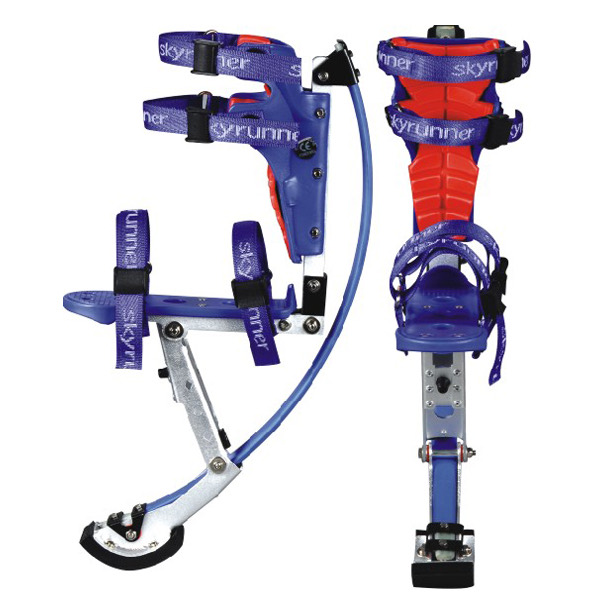
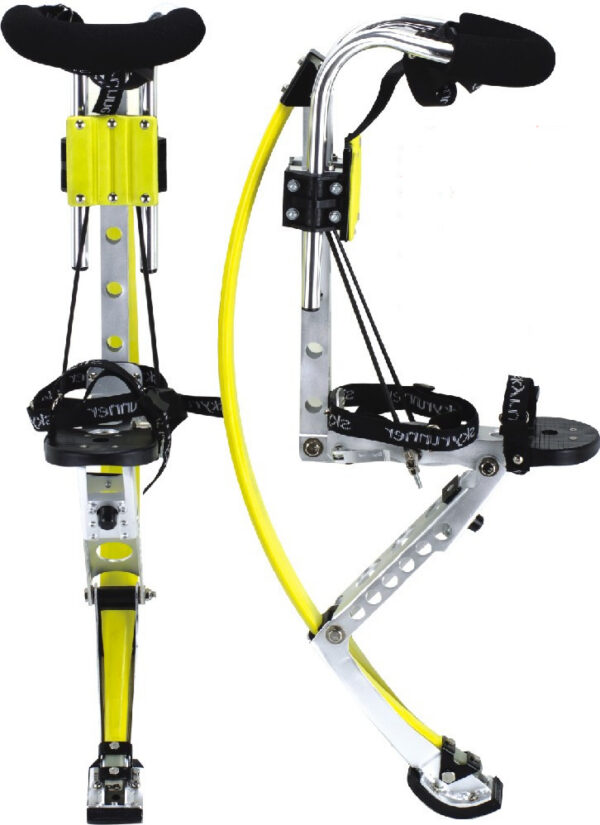
They strap to the lower legs and feet and extend below the foot with a curved spring, typically made of fiberglass or carbon fiber. This spring compresses and releases energy as you move, acting like a powerful extension of your legs.
How Do Jumping Stilts Work?
The key component of jumping stilts is the leaf spring. This spring stores and releases energy with each step.
-
Compression:
When you land, your weight and the force of impact bend the spring backward. -
Energy Storage:
The bending spring stores potential energy, like a compressed bow. -
Release:
As the spring returns to its original shape, it pushes you upward or forward, amplifying your normal jumping and running power.
The result: users can often jump 4–6 feet (1.2–1.8 m) high and take strides much longer than normal running.
Key Components of Springstelten
A modern pair of jumping stilts typically includes:
- Foot platform and bindings – Where your shoes or boots attach; usually straps or ratchet bindings hold the foot in place.
- Calf cuff or leg brace – Secures the stilts to your lower legs for stability and control.
- Leaf spring – The long curved spring (fiberglass or carbon fiber) that provides the bounce.
- Frame – A metal or reinforced frame connects the spring to the foot platform and leg brace.
- Non-slip foot pads – Rubber or high-grip material at the bottom to provide traction on the ground.
High-quality materials and secure straps are crucial for both performance and safety.
Benefits of Using Jumping Stilts
Jumping stilts are not only visually dramatic; they also offer several physical and recreational benefits.
1. Full-Body Workout
Using jumping stilts engages multiple muscle groups:
- Legs (quads, hamstrings, calves)
- Glutes
- Core and lower back for balance
- Upper body for coordination and arm swing
Just 20–30 minutes can provide an intense cardiovascular workout.
2. Improved Balance and Coordination
Balancing on elevated, springy stilts challenges your:
- Proprioception (body awareness)
- Reflexes
- Coordination between upper and lower body
Over time, many users notice better overall balance and agility.
3. Fun and Motivation to Exercise
Many people find traditional running or gym workouts boring. Jumping stilts provide:
- A novel, playful form of exercise
- High entertainment value for both user and spectators
- Strong motivation to stay active and improve skills
4. Performance and Show
Jumping stilts are popular in:
- Street performances
- Festivals and parades
- Live shows and events
- Promotional stunts and marketing displays
Their dramatic look and height make them ideal for performers and entertainers.
Are Springstelten voor volwassenen Safe?
Like any extreme or action sport, jumping stilts involve risk. However, with proper equipment, training, and caution, many common injuries can be minimized.
Main Safety Considerations
- Fall risk: You are elevated above the ground, and the springs add instability.
- Joint stress: High-impact landings can affect ankles, knees, and hips if technique is poor.
- Collision risk: Using them in crowded or obstacle-filled areas increases the chance of accidents.
Wearing correct protective gear and progressing gradually are essential.
Essential Safety Gear
Before using jumping stilts, you should have:
- Helmet (bike, skate, or BMX style with good coverage)
- Wrist guards to prevent fractures during falls
- Knee pads for impact protection
- Elbow pads
- Gloves (optional but helpful for grip and minor falls)
New users should treat jumping stilts like skateboarding or aggressive inline skating: protective gear is not optional.
Who Can Use Jumping Stilts?
Jumping stilts come in different sizes and weight ratings. Suitability depends on:
- Body weight: Each pair is designed for a specific weight range. Using stilts outside that range is unsafe and reduces performance.
- Age and maturity: Teens and adults can typically use them; younger users require close supervision.
- Physical condition: A basic level of fitness, balance, and joint health is recommended.
If you have existing knee, ankle, or back problems, consult a medical professional before starting.
Choosing the Right Springstelten voor kinderen
When buying jumping stilts, consider the following factors:
1. Weight Range
Manufacturers rate stilts for specific weight ranges (for example, 50–70 kg or 70–90 kg). Choose stilts that match your current weight, not your ideal or future weight. This affects:
- Spring response
- Safety
- Durability
2. Material and Build Quality
Look for:
- Fiberglass or carbon fiber springs
- Sturdy aluminum or steel frames
- Strong, reliable fasteners and bolts
- High-quality straps and buckles
Cheap, low-quality stilts may fail under stress and can be dangerous.
3. Size and Fit
Check:
- Leg length suitability
- Adjustable calf cuffs
- Comfortable foot bindings that securely hold your shoes
A snug, secure fit improves control and reduces the chance of slipping.
4. Brand Reputation
Research:
- User reviews and testimonials
- Replacement part availability
- Warranty or support policies
Well-known brands usually offer better safety, consistency, and after-sales support.
How to Get Started with Jumping Stilts
1. Prepare Your Gear
- Wear all protective equipment.
- Check every strap, bolt, and buckle.
- Make sure the springs and frames show no cracks or visible damage.
2. Find a Safe Practice Area
Choose:
- Flat, open pavement or a smooth parking lot
- No traffic, obstacles, or crowds
- Dry surface (avoid wet, icy, or sandy ground when learning)
Grass can seem softer but often reduces traction, making balance harder.
3. Learn to Stand and Balance
Start with:
- A stable support (wall, railing, or a friend)
- Practice standing still on the stilts
- Slightly bend your knees and keep your core tight
Focus on getting comfortable with the elevated height and springy feel.
4. Take First Steps
- Begin with very small, controlled steps
- Keep your knees bent and land softly
- Look ahead, not at your feet
Avoid running or jumping until you can walk smoothly and turn confidently.
5. Progress to Light Jogging and Small Jumps
Once comfortable:
- Add a slow, gentle jog
- Practice small, vertical hops in place
- Learn how to fall safely: try to roll or slide, avoid stiff, straight-legged landings
Advancing slowly helps reduce the risk of injury.
Tricks and Advanced Techniques
After mastering walking, jogging, and basic jumping, skilled users may explore:
- High vertical jumps
- Long-distance leaps
- 180° and 360° spins
- Grab tricks in the air
- Parkour-style moves over small obstacles
Only attempt advanced tricks:
- With full protective gear
- On suitable surfaces
- After solid experience with basic maneuvers
Consider practicing with more experienced users or in a supervised setting.
---
Maintenance and Care
Proper care extends the life of your jumping stilts and keeps them safe.
- Inspect before every session – Check bolts, straps, springs, and pads.
- Tighten loose hardware – Use the correct tools as recommended by the manufacturer.
- Clean after use – Wipe off dirt, sand, and moisture.
- Store indoors – Keep them dry, out of direct sunlight and extreme temperatures.
- Replace worn parts – Springs, pads, and straps will eventually wear out.
Regular maintenance reduces the chance of equipment failure during use.
Common Questions About Jumping Stilts
Can jumping stilts damage my knees?
They put additional stress on joints, similar to running or jumping sports. Correct technique, gradual progression, and good physical conditioning help reduce the risk. Anyone with existing joint issues should talk to a doctor first.
How high can you really jump with jumping stilts?
Experienced users can often reach 4–6 feet (1.2–1.8 m) of vertical height. Beginners will start much lower and gradually improve as their technique and confidence develop.
Are jumping stilts legal to use in public?
Laws vary by location. In many places, they are treated like skates or scooters: generally allowed on sidewalks and parks but restricted on busy roads. Always check local regulations and respect pedestrians and property.
Conclusion: Are Jumping Stilts Worth It?
Jumping stilts offer a unique combination of fitness, adrenaline, and pure fun. They:
- Provide an intense, full-body workout
- Improve balance and coordination
- Turn exercise into an exciting, highly engaging activity
However, they require:
- A commitment to safety
- Proper protective gear
- Patience and practice
For people who enjoy extreme sports, performance, or simply want a thrilling new way to move, Skyrunnerstilts.NL can be an excellent investment and a memorable addition to an active lifestyle.